
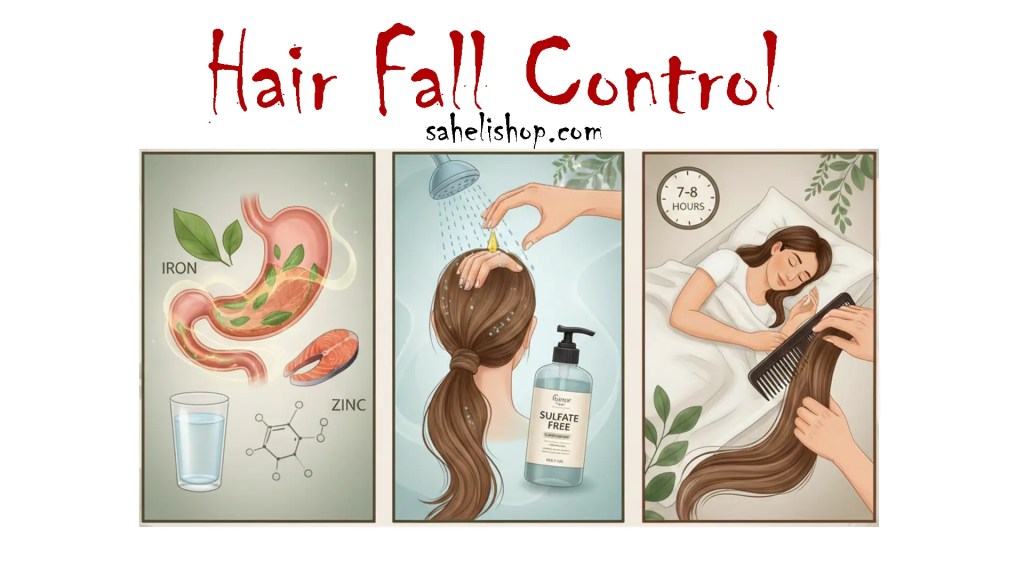
Hair fall is one of the most common concerns of men and women of all ages. It affects confidence, appearance, and self-esteem. But before panic sets in, it’s important to understand why hair falls, how normal shedding differs from excessive hair loss, and what effective steps you can take to control it.
In this complete guide, we explain scientifically proven causes of hair fall, natural and medical remedies, lifestyle changes, diet, hair care routines, product recommendations, and actionable strategies you can start today to reduce hair fall and promote healthy hair growth.
Table of Contents
- Table of Contents
- 1. What Is Hair Fall? Understanding Normal vs Abnormal
- 2. 12 Common Causes of Hair Fall
- 3. How Hair Grows: Hair Growth Cycle Explained
- 4. Diagnosing Hair Fall: When to See a Doctor
- 5. Preventive Hair Care Habits
- 6. Top 10 Natural Home Remedies for Hair Fall Control
- 7. Dietary Tips for Stronger Hair
- 8. Supplements That Support Hair Health
- 9. Best Products to Reduce Hair Fall
- 10. Hair Fall Treatments: Medical & Clinical
- 11. Hairstyles That Prevent Hair Damage
- 12. Hair Fall Myths vs Facts
- 13. Stress, Sleep & Hair Loss: The Hidden Link
- 14. Weekly & Monthly Hair Care Routine
- 15. FAQs on Hair Fall Control
- 16. Final Tips for Long-Term Hair Health
- Conclusion
- More Posts For You
1. What Is Hair Fall? Understanding Normal vs Abnormal
It’s normal to lose some hair every day — on average 50 to 100 strands. This is part of the natural hair cycle.
Normal Hair Fall:
✔ Falling during shower or brushing
✔ Slight thinning with age
✔ Noticeable mainly in certain seasons (e.g., autumn)
Abnormal Hair Fall:
❌ Large clumps of hair in brush or shower drain
❌ Thinning hairline or widening part
❌ Bald patches
❌ Sudden increase in shedding
Understanding when hair fall is excessive helps you choose the right solution.
2. 12 Common Causes of Hair Fall
Hair fall doesn’t happen without reason. Some of the major causes include:
1. Hormonal Imbalance
Hormones like DHT, thyroid hormones, estrogen, and testosterone affect hair growth patterns.
2. Genetics (Androgenetic Alopecia)
Male and female pattern baldness runs in families.
3. Nutrient Deficiencies
Lack of iron, zinc, vitamin D, biotin, protein.
4. Stress and Anxiety
High stress triggers inflammation and weakens hair follicles.
5. Poor Diet & Crash Dieting
Insufficient nutrients starve hair roots.
6. Harsh Hair Treatments
Bleaching, frequent coloring, straightening.
7. Scalp Infections
Fungal infections like dandruff and seborrheic dermatitis.
8. Medications & Medical Conditions
Chemotherapy, blood thinners, thyroid disorders.
9. Pregnancy & Postpartum
Hormonal shifts cause temporary shedding.
10. Aging
Hair growth slows and follicles shrink with age.
11. Hairstyles That Pull Hair
Tight buns, ponytails, braids.
12. Environmental Factors
Pollution, sun damage, chlorine.
🌿 Hair fall is usually caused by a combination of factors, not just one.
3. How Hair Grows: Hair Growth Cycle Explained
Understanding hair growth helps in effective hair fall control.
Hair Growth Phases
📌 Anagen (Growth Phase)
Active growth — lasts 2–6 years.
📌 Catagen (Transition Phase)
Resting phase — about 2 weeks.
📌 Telogen (Shedding Phase)
Hair sheds after about 3 months.
Hair fall increases when more hair enters the telogen phase.
4. Diagnosing Hair Fall: When to See a Doctor
See a dermatologist if:
- Hair loss is sudden and heavy
- You see bald patches
- Your scalp is itchy or painful
- You notice hair thinning despite care
- You have symptoms of thyroid imbalance
Doctors may do:
✔ Blood tests
✔ Scalp biopsy
✔ Hair pull test
✔ Hormone evaluation
5. Preventive Hair Care Habits
Small daily habits make a huge difference.
🌿 Gentle Shampooing
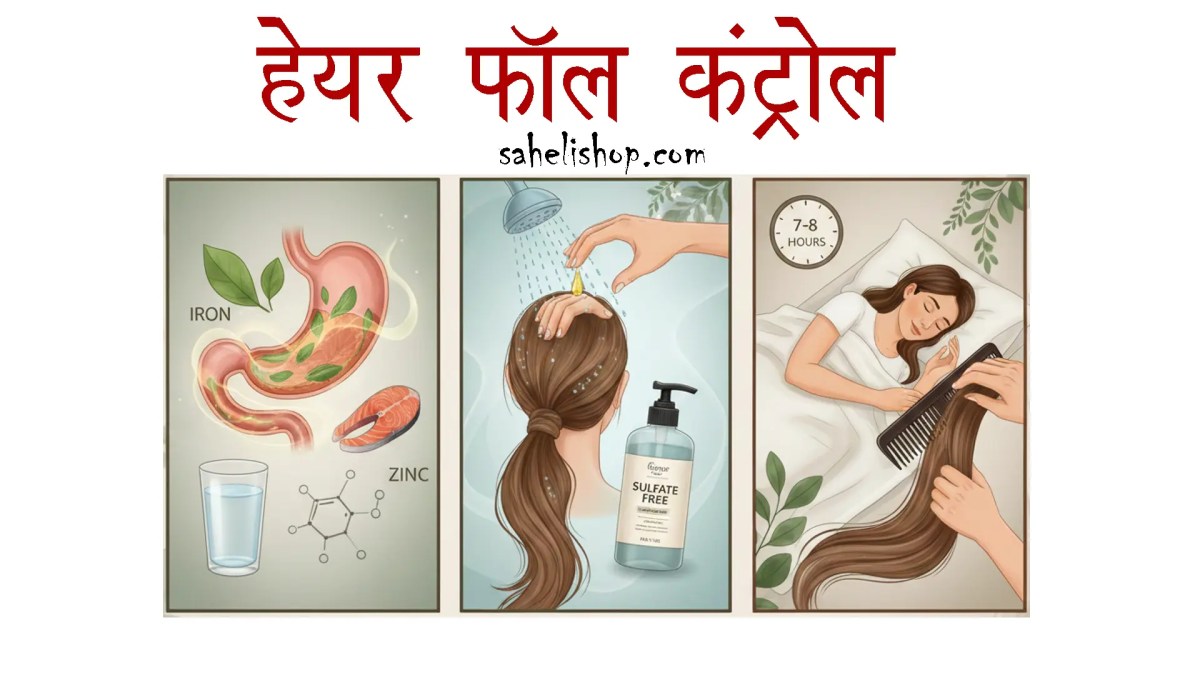
Use sulfate-free shampoos. Avoid hot water.
🌿 Conditioning
Always condition mid-lengths and ends — not roots.
🌿 Avoid Tight Hairstyles
Loose styles reduce pulling.
🌿 Pat Dry, Don’t Rub
Vigorous towel rubbing damages wet hair.
🌿 Brush Properly
Use wide-tooth combs; start from ends.
🌿 Protect from Heat
Use heat protectants if using blow-dryers or straighteners.
🌿 Scalp Massage
Boosts circulation and nutrient delivery.
6. Top 10 Natural Home Remedies for Hair Fall Control
1. Coconut Oil
Penetrates hair shaft, reduces protein loss.
2. Onion Juice
Rich in sulfur — promotes circulation.
3. Aloe Vera Gel
Soothes scalp and unclogs follicles.
4. Fenugreek Seeds
Stimulate dormant follicles.
5. Green Tea Rinse
Antioxidant and anti-inflammatory.
6. Egg Mask
Protein-rich for stronger strands.
7. Hibiscus Flowers
Promote growth and control dandruff.
8. Castor Oil
Rich in ricinoleic acid — stimulates roots.
9. Apple Cider Vinegar
Balances scalp pH, reduces fungus.
10. Amla (Indian Gooseberry)
High vitamin C — strengthens hair.
💡 How to use: Mix and apply, leave 30–60 minutes, wash with mild shampoo.
7. Dietary Tips for Stronger Hair
Nutrition is the foundation of hair health.
Hair-Healthy Foods
✔ Eggs: Protein & biotin
✔ Spinach: Iron & vitamins
✔ Nuts & Seeds: Omega-3 & zinc
✔ Salmon: Healthy fats
✔ Yogurt: Protein & probiotics
✔ Beans: Iron & protein
✔ Sweet potatoes: Beta-carotene
✔ Avocado: Vitamin E
✔ Oats: Fiber & zinc
Foods to Avoid
❌ Excess sugar
❌ Deep-fried foods
❌ Too much caffeine
❌ Processed snacks
Tip: Eat a balanced plate with proteins, healthy fats, and colorful vegetables.
8. Supplements That Support Hair Health
Before taking supplements, check with a healthcare provider.
Common Supplements
- Biotin – supports keratin production
- Iron – for anemia-linked hair loss
- Zinc – cell growth & repair
- Vitamin D – follicle health
- Omega-3 fatty acids – scalp nourishment
- Multivitamins – general support
9. Best Products to Reduce Hair Fall
Here are categories of products that often help:
✔ Anti-Hair Fall Shampoos
Choose ones with:
✔ Biotin
✔ Keratin
✔ Caffeine
✔ Saw Palmetto
✔ Plant extracts
✔ Hair Serums & Tonics
Look for:
✔ Niacinamide
✔ Rosemary oil
✔ Peppermint oil
✔ Castor oil blends
✔ Masks & Conditioners
Ingredients that strengthen:
✔ Aloe vera
✔ Protein complexes
✔ Argan oil
✔ Scalp Treatments
✔ DHT blockers
✔ Follicle stimulants
✔ Cooling serums
📌 Tip: Avoid products with sulfates, paraben, and silicones if your scalp is sensitive.
10. Hair Fall Treatments: Medical & Clinical
When home care isn’t enough, these are often recommended:
1. Minoxidil
Topical treatment proven to reduce hair loss.
2. Finasteride
Oral medication for male pattern baldness (men only).
3. PRP (Platelet-Rich Plasma)
Uses your blood platelets to stimulate follicles.
4. Laser Therapy
Low-level lasers to boost growth.
5. Hair Transplant
Surgical option for advanced hair loss.
Important: Always consult a dermatologist before using medical treatments.
11. Hairstyles That Prevent Hair Damage
Avoid these:
❌ Tight ponytails
❌ Braids that pull at roots
❌ Frequent use of bands with metal parts
Do this instead:
✔ Loose buns
✔ Soft clips
✔ Protective styles without tension
12. Hair Fall Myths vs Facts
Myth: Cutting hair makes it grow thicker
Fact: Hair growth starts at the root; trimming only removes split ends.
Myth: Only men suffer hair loss
Fact: Women also experience significant hair thinning.
Myth: Shampoo causes hair fall
Fact: Rough washing or harsh shampoo formulas do — not shampoo itself.
Myth: Brushing often prevents hair fall
Fact: Over-brushing weakens strands.
13. Stress, Sleep & Hair Loss: The Hidden Link
How Stress Causes Hair Fall
Stress triggers hormones that push hair into the shedding phase.
Cortisol & Hair Loss
High cortisol suppresses hair growth signals.
Sleep Matters
Poor sleep disrupts repair hormones crucial for hair regeneration.
Tips to Reduce Stress:
✔ Meditation
✔ Light exercise
✔ Deep breathing
✔ Adequate sleep (7–8 hrs)
14. Weekly & Monthly Hair Care Routine
Weekly Hair Care
✔ 2–3 washes with mild shampoo
✔ Deep conditioning mask once
✔ Scalp massage 3–4 times
Monthly
✔ Trim split ends
✔ Clarifying shampoo once
✔ Boost with a nourishing oil treatment
15. FAQs on Hair Fall Control
Q1: How long does it take to reduce hair fall?
Usually 8–12 weeks with consistent care.
Q2: Can stress-related hair fall reverse?
Yes — after stress reduction.
Q3: Should I wash hair daily?
Not necessary — 2–3 times a week is ideal for most.
Q4: Is hair fall in winter normal?
Seasonal shedding can increase slightly.
Q5: Can hair grow back once lost?
Depends on cause; follicles not dead often can regrow.
16. Final Tips for Long-Term Hair Health
⭐ Be patient — hair growth takes time
⭐ Eat balanced meals every day
⭐ Avoid extreme chemical treatments
⭐ Choose gentle, nourishing products
⭐ Listen to your scalp — it tells you what it needs
Conclusion
Hair fall is a common issue, but it’s not inevitable — and definitely not untreatable. With a mix of good nutrition, mindful hair care, the right products, and lifestyle adjustments, you can reduce hair fall, strengthen your hair, and support healthy growth.
At sahelishop.com, we believe hair care should be simple, natural, and effective. Use the tips in this guide as your everyday roadmap to beautiful, resilient hair.
More Posts For You


















Something went wrong. Please refresh the page and/or try again.

 सहेली शॉप
Leave a comment